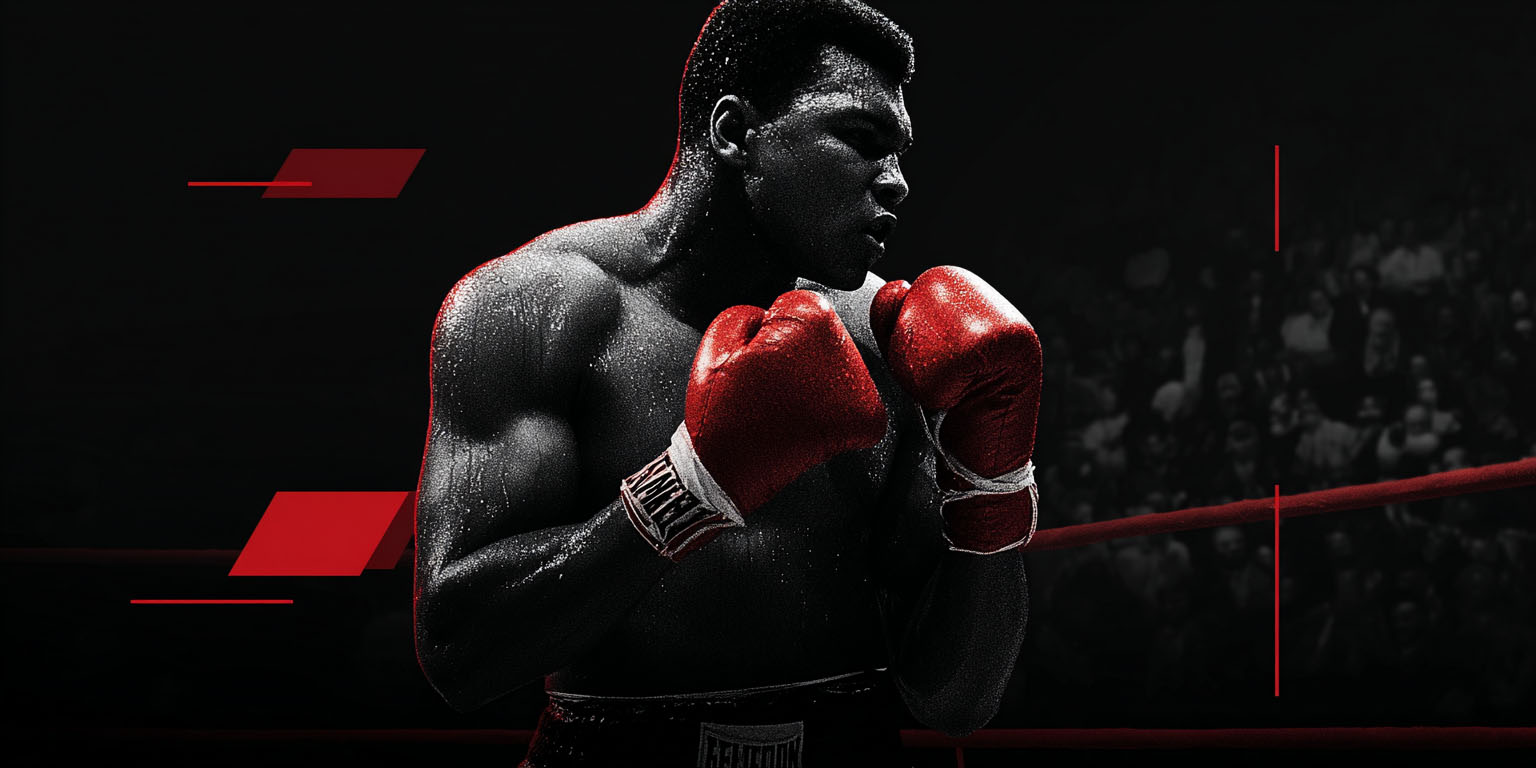

Before Muhammad Ali, boxing was brutal, proud and largely silent. Fighters fought, promoters promoted and the drama lived mostly between the ropes. Then Ali arrived and turned the entire sport inside out. He didn’t just punch people for a living. He performed. He narrated his own rise, antagonised opponents, baited the public and transformed every fight into an event that mattered far beyond the result.
Ali didn’t simply change boxing. He invented the idea of the fighter as entertainer, decades before social media, branding or influencer culture existed.
And he did it by making everything personal.
When Cassius Clay first emerged in the early 1960s, boxing didn’t know what to do with him. He talked too much. He smiled too much. He predicted rounds. He mocked champions before fighting them.
Heavyweights were supposed to be stoic. Menacing. Respectful.
Clay was none of those things.
He recited poems, insulted opponents with playground cruelty and told anyone who would listen that he was “the greatest” before he had the résumé to back it up. To traditionalists, it was sacrilege. To audiences, it was irresistible.
Ali understood something instinctively. Fighting wasn’t just about fists. It was about attention.
Ali’s trash talk wasn’t random. It was targeted.
He studied opponents and found their pressure points. Joe Frazier became “the ugly one.” Sonny Liston was framed as a terrifying villain Ali was destined to conquer. George Foreman was baited into rage, tricked into punching himself into exhaustion.
Ali didn’t just fight opponents physically. He lived in their heads weeks before the bell rang.
By the time the fight started, the emotional energy was already spent. Opponents weren’t just trying to win. They were trying to shut him up.
And that made them reckless.
Before Ali, pre-fight promotion was functional. Posters, press conferences, weigh-ins. Necessary steps to sell tickets.
Ali made the build-up part of the spectacle.
He transformed press conferences into performances. He used interviews as stages. He understood pacing, timing and escalation. Every insult built anticipation. Every prediction raised stakes.
By the time fight night arrived, the audience wasn’t just watching a contest. They were watching the climax of a story they’d already emotionally invested in.
Ali made boxing episodic before television executives ever used the word.
Ali’s theatrical instincts didn’t stop at the microphone. They extended into the ring.
He danced. He dropped his hands. He leaned back from punches with impossible grace. He spoke to opponents mid-fight. He smiled under pressure.
This wasn’t recklessness. It was control.
Ali knew that showmanship unnerved opponents as much as it thrilled fans. If he looked relaxed, they panicked. If he joked, they doubted themselves.
Fighting, for Ali, was choreography with consequences.
Ali’s greatest opponent wasn’t always in front of him. It was the system around him.
When he refused military service during the Vietnam War, citing religious belief, he was stripped of his title and banned from boxing during his prime. Public opinion turned vicious. He was labelled unpatriotic, arrogant and dangerous.
Ali didn’t retreat. He doubled down.
He debated on college campuses, spoke publicly about race, faith and injustice, and positioned himself not just as a boxer, but as a cultural figure.
This elevated him beyond sport. Ali became a symbol. Loved by some. Hated by others. Ignored by none.
The theatre expanded from arenas to society itself.
Ali’s biggest bouts weren’t just sporting contests. They were cultural moments.
The first fight with Joe Frazier wasn’t simply two heavyweights competing. It was framed as good versus bad, establishment versus rebellion, silent grit versus loud defiance. Ali ensured it felt monumental.
The “Rumble in the Jungle” against George Foreman became a masterclass in narrative manipulation. Ali played the underdog publicly, taunted Foreman relentlessly and embraced the role of hunted prey, only to flip the script with the rope-a-dope.
The “Thrilla in Manila” wasn’t just violent. It was Shakespearean. Two men pushing each other beyond physical limits, driven as much by pride and hatred as by belts.
Ali didn’t just fight in great matches. He named them, framed them and embedded them into popular memory.
What Ali truly pioneered was the idea that a fighter could control their own mythology.
He didn’t wait for promoters or journalists to define him. He did it himself, loudly and constantly. He understood that winning fights was only part of the job. The rest was making people care.
This model is now standard.
From Mike Tyson’s menace to Floyd Mayweather’s extravagance, from Conor McGregor’s verbal warfare to modern fighters building personal brands, Ali’s blueprint is everywhere.
The fighter is no longer just an athlete. They are a character, a narrative, a business.
Ali invented that role.
Ali’s brilliance wasn’t just charisma. It was authenticity.
He believed what he said. Even when he exaggerated, the conviction was real. Audiences sensed it. Opponents felt it. The media couldn’t look away.
His confidence wasn’t marketing polish. It was defiance sharpened into performance.
And when he backed it up in the ring, the theatre became truth.
Muhammad Ali didn’t just change boxing promotion. He changed how athletes saw themselves.
He proved that fighters could be:
• outspoken
• political
• entertaining
• controversial
• commercially powerful
without asking permission.
He showed that personality could amplify performance, not diminish it.
Ali spent much of his career fighting the world. Opponents, critics, politicians, traditions.
He won enough of those battles to become immortal.
Today, every fighter who talks before they fight, who uses psychology as a weapon, who turns competition into spectacle, owes something to Ali.
Boxing was once a sport people watched.
Ali turned it into a show people felt.
And in doing so, he became more than a champion.
He became the standard.